
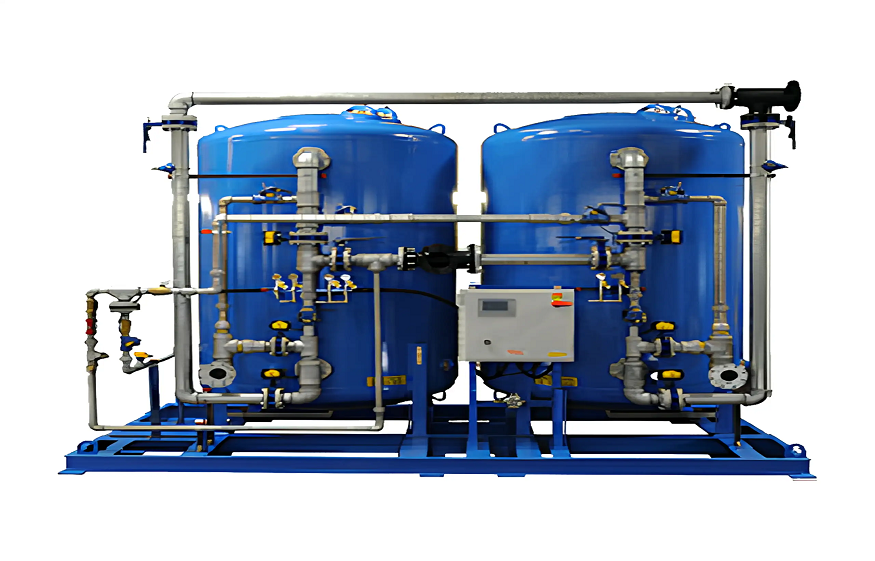
Choosing the right water softeners for your home can make a big difference in water quality, appliance life, and everyday comfort. Hard water, rich in minerals like calcium and magnesium, causes scale buildup, reduces soap efficiency, and can shorten the lifespan of appliances like washing machines and geysers. A good water softener transforms hard water into soft water that’s easier on your plumbing and skin.
1. Understand Your Water Hardness
Before selecting a water softener, the first step is to determine how hard your water is. Water hardness is usually measured in grains per gallon (GPG) or ppm (parts per million). Knowing this level helps you choose a unit with the proper capacity to handle your home’s needs. Testing can be done with simple kits, professional assessments, or lab reports.
2. Capacity and Size Matter
Water softeners come in varied capacities, typically measured in how many grains of hardness they can remove before regeneration. A small softener might suit a one- or two-person household, while larger families or homes with very hard water require systems with higher grain capacity. Choosing the right size ensures efficient performance and prevents frequent regeneration cycles.
3. Types of Softening Technology
There are several types of water softening technologies:
- Salt-based ion exchange systems are the most common and effective at removing hardness minerals from water by replacing them with sodium or potassium ions.
- Salt-free conditioners don’t remove minerals but change their structure to reduce scaling; they work best in areas with moderate hardness.
- Electronic or magnetic softeners alter mineral behaviour and can help reduce buildup, though they don’t technically soften water in the traditional sense.
Each type has pros and cons depending on your water hardness levels, lifestyle, and maintenance preferences.
4. Regeneration Options
Regeneration is the process by which a water softener flushes accumulated minerals and refreshes its resin bed. There are three common types:
- Timed regeneration triggers at set intervals.
- Demand-initiated regeneration uses sensors to regenerate only when necessary, saving salt and water.
- Automatic regeneration systems run without manual intervention, which is ideal for busy households.
Choosing an efficient regeneration type can lower operating costs and ensure consistent performance.
5. Control and Smart Features
Modern water softeners offer digital controls, LCD displays, and even smartphone connectivity. These features help monitor salt levels, track water usage, and schedule regeneration. Smart controls give better visibility into the system’s performance and often make maintenance easier.
6. Installation, Space, and Maintenance
Before purchasing, consider where the softener will be installed. Measure the available space and ensure access to a drain line and power source if needed. Also factor in maintenance such as salt refills, cleaning, and occasional servicing as part of the long-term cost.
7. Warranty and Support
Finally, check the warranty offered with the water softener. Good warranty terms and reliable customer support can save you future hassles. A longer warranty often reflects confidence in the product’s durability.
Conclusion
Investing in the right water softening system can significantly improve everyday water usage across your home. With the right features and smart planning, you can ensure your home gets softened water that’s healthier, cleaner, and kinder to your systems.